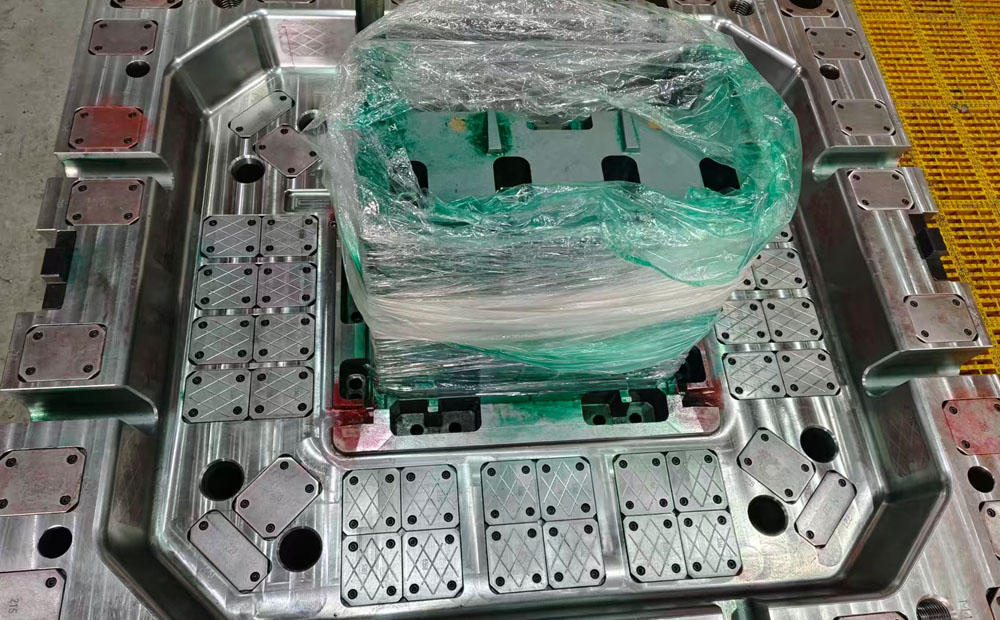

The working part of a mold base is typically a two-dimensional or three-dimensional complex curved surface, rather than a simple plane. For example, the cavities of automobile panel molds are mostly composed of curved surfaces. The materials used have high hardness. Mold bases are generally made of quenched tool steel or hard alloy, which are difficult to machine using traditional methods. Currently, in the manufacturing process of mold bases, conventional machining and electrical discharge machining are mainly employed.
To shorten the manufacturing cycle and reduce costs of mold bases, it is necessary to widely adopt advanced cutting technologies for mold processing. As an advanced manufacturing technology, high-speed cutting technology has emerged to meet the requirements and characteristics of mold base machining.
This is primarily to satisfy the demands of product production and market competitiveness. The cost of a mold base is related to the complexity of its structure, the material used, the required manufacturing accuracy, and the machining methods. Therefore, it is essential to reasonably design and formulate the machining process, select appropriate processing equipment, and ensure low processing costs.
Mold bases must not only have high machining accuracy but also good processing quality. Generally, the tolerance range should be controlled at the micron level. Only high-precision molds can ensure product accuracy, guarantee product qualification rates, and expand the application range of molds. A long service life is also crucial. Mold bases are relatively expensive processing equipment, with their processing costs accounting for about 10% to 30% of the total cost, so requiring mold bases to have a longer service life is more meaningful.
Huizhou Changhui Metal Products Co., Ltd. is a mold base processing factory that provides stamping dies, precision cavity molds, mold bases, mold plates, and mold standard parts, offering high-quality services to a wide range of customers. Inquiries are welcome.